Annyeong haseyo, travel adventurers!
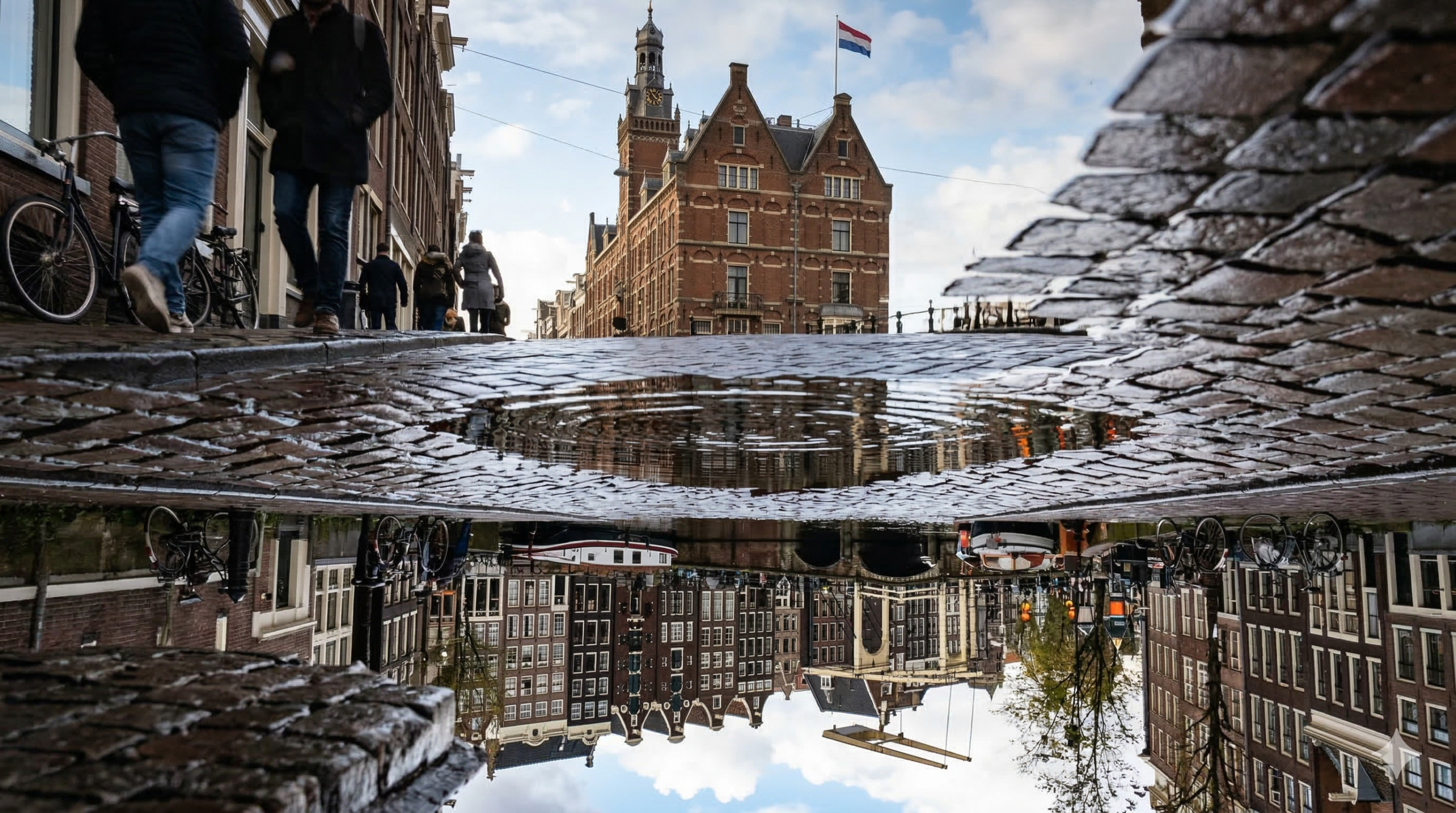
I’m your guide, coming to you from the mini Amsterdam – where the Dutch heritage started their “American Dream” in New York State. Indeed, this historic gem has a captivating story, one of ambitious beginnings, soaring success, and a recent period of dramatic change. Come along as we trace the journey of this unique American city.
The Ambitious Dutch Beginnings
First, let’s look back to the start. The journey here was truly ambitious. Settlers from the Netherlands saw incredible potential in this riverside location. They weren’t just looking for land; they were building a new life. Therefore, they brought their traditions, their architecture, and their unwavering spirit.
As a result, the settlement quickly grew.
Think about it: a small piece of Holland blossoming right here in New York. This heritage is still visible everywhere you look, from street names to the design of the older buildings. Moreover, this determined start laid the groundwork for everything that followed.
Soaring to the Peak: The Roaring Twenties
Consequently, the city thrived, but its peak era arrived much later. By the 1920s, our “mini Amsterdam” was booming!
It was an age of prosperity, hence the nickname “The Roaring Twenties.” Industry was flourishing, and the population swelled. Consequently, factories hummed with activity, and new businesses opened weekly.
The energy was electric. Furthermore, this was largely due to a massive employer: the Mohawk Carpet Mills aka Mohawk Industry (their current business name). They were the heartbeat of the city.
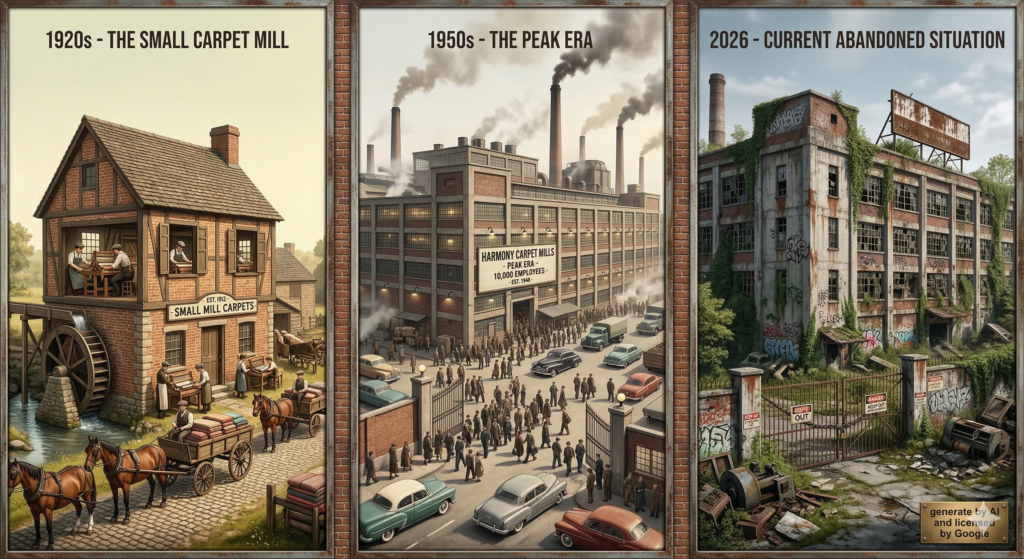
In fact, they weren’t just an employer; they were a community anchor.
Therefore, the local economy was incredibly strong, and the future seemed limitless. People often remember this period with a sense of golden nostalgia.
Besides, there were two more titan employers during the peak era:
- Stephen Sanford & Sons
- McCleary, Wallin & Crouse
The Sudden Shift and a New Chapter
However, things took a sharp turn. In a sudden, unexpected move, the main Mohawk Industry employer announced a significant shift.
They were relocating their operations.
Specifically, they decided to move to Georgia State in the USA.
Obviously, this news hit the community hard. Overnight, the local economy faced a massive challenge. Jobs vanished, and the future became uncertain. As a result, many families faced tough decisions.
Nonetheless, the spirit of the original Dutch settlers remained. Consequently, the city began to adapt.
This period of transition was difficult, but it also spurred innovation. For example, local leaders started seeking new opportunities immediately.
Mini Amsterdam Today: March 2026
So, what is the situation now, in March 2026?
Despite the setbacks, “mini Amsterdam” is showing remarkable resilience.
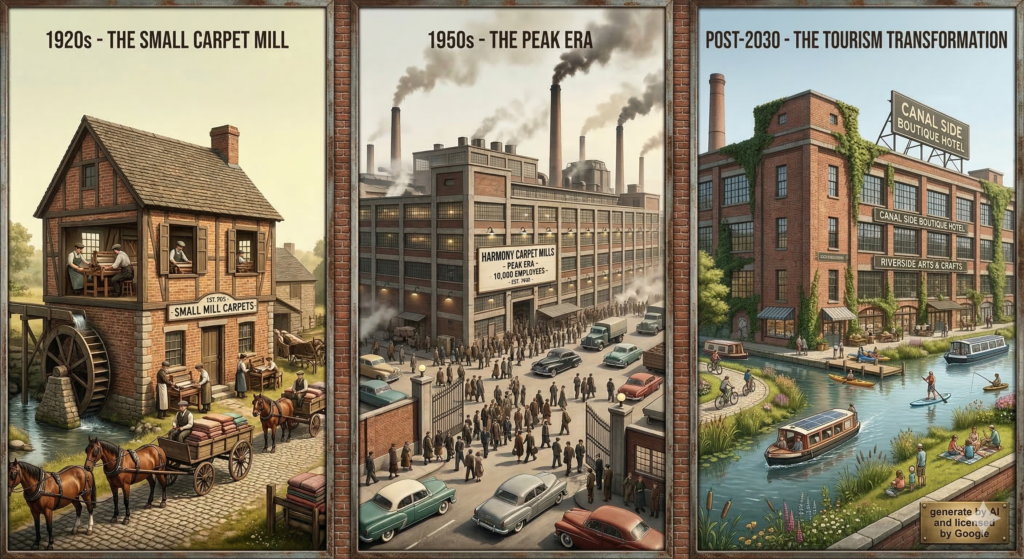
Firstly, there’s a new focus on heritage tourism. People are rediscovering the beautiful canals. Consequently, new small businesses are opening up in the downtown area. Furthermore, the community is actively developing the riverfront, making it a beautiful, walkable space.
Secondly, the arts scene is growing rapidly. Local galleries and performance spaces are attracting both residents and visitors. Therefore, the city feels vibrant and energized.
Moreover, there is a strong sense of community pride. Residents are working together, determined to write the next successful chapter.
annyeonghi gaseyo
Leave a Reply
You must be logged in to post a comment.