
Annyeong haseyo, travel adventurers! I’m your guide, coming to you from the town Antwerp.
Actually, we are exploring Antwerp located in the scenic landscapes of Northern New York State. This quiet town holds a mirror to global history. Surprisingly, its historical “DNA” reveals a recurring pattern of internal struggle. Specifically, Antwerp, New York, serves as the second location in a fascinating triplet of towns. These places are linked by a legacy of shadow conflicts over natural resources.
The Second Triplet: Antwerp, New York
Antwerp, New York, began its journey with industrial ambition. The town was founded on the promise of rich iron ore deposits. Consequently, the mid-1800s saw a massive boom in mining activity.
However, this industrial growth created a deep internal divide. The town became a stage for friction between powerful mining interests and the local farming community. Specifically, the expansion of mines often threatened the integrity of the soil and local water sources. Therefore, the very resources that brought wealth also brought community instability.
Eventually, the mining operations faced economic decline. This shift was not merely financial; it was a cultural turning point. The community had to choose between fighting for a dying industry or embracing a new identity.
The First Triplet: Antwerp, Belgium
Interestingly, this pattern did not start in America. The historical “DNA” traces back to the first member of our triplet: Antwerp, Belgium.
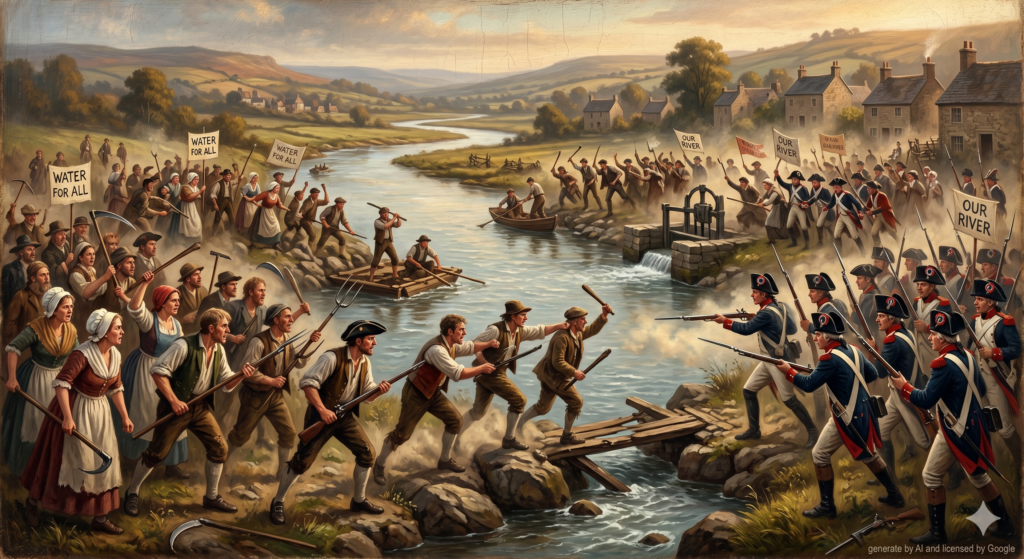
As a legendary port city, Antwerp’s wealth was built on its access to the Scheldt River. Consequently, the river became the primary focus of centuries of internal and external conflict. The city’s history is defined by struggles over water control and shipping rights.
Similarly to its New York namesake, the Belgian city faced internal divisions. Merchants, government leaders, and neighboring territories often clashed over how to manage their aquatic lifeblood. These resource-driven battles shaped the city’s architecture and its defensive walls. Ultimately, the survival of the city depended on resolving these deep-seated resource disputes.
The Last Triplet: Ancram, New York
Finally, we arrive at the third and last member of our triplet: the town of Ancram, New York.
Ancram shares the exact same historical DNA as the two Antwerps. Its history is dominated by the influential Livingston family, who shaped the town’s industrial foundation. Like the others, Ancram focused heavily on the iron business during the colonial and post-Revolutionary periods.
However, this ambition led to an intense “iron business war” with competing industrialists. Furthermore, the construction of water dams for mills caused significant local tension. This pressure eventually boiled over into a major conflict during the 1800s.
The struggle pitted two local groups against each other:
- The “Muskrats” (Mill Supporters): They needed water to remain behind dams to power the iron and paper mills.
- The “Beavers” (Farmer Supporters): They needed the water to flow away to dry the fertile “Black Dirt” soil for irrigation.
Consequently, this dispute over the natural flow of water became the defining shadow conflict of the town. It mirrors the exact resource-based struggles seen in Antwerp, Belgium, and Antwerp, New York.
A Shared Legacy and Similar Outcomes
Remarkably, all three locations in this triplet reached a similar resolution. They moved away from the heavy industry that once divided them.
| Genetic Marker | Antwerp, Belgium | Antwerp, NY | Ancram, NY |
|---|---|---|---|
| The “Parent” (Owner) | Global Empire | Belgian Speculators | Livingston Manor Lords |
| The “Heartbeat” (Water) | Scheldt River | Indian River | Roeliff Jansen Kill |
| The “Conflict” (DNA) | Siege for Independence | Mineral Rights War | Anti-Rent Border War |
| The “Birthmark” (Industry) | Global Port | Iron Ore Mining | Iron Works & Forges |
Today, Antwerp’s economy has shifted from its industrial roots toward natural preservation and scenic tourism. For instance, the historic iron mining sites that once caused friction are now part of a landscape valued for its rural beauty and environmental integrity. Similarly, the community has embraced its scenic heritage, ensuring that the town’s character is defined by its quiet landscapes rather than the heavy industry of the past.
In conclusion, DNA truly doesn’t lie. Whether in Europe or the Hudson Valley, these “Triplets” prove that internal conflicts over resources eventually give way to a return to nature.
Safe travels, adventurers! May your next journey lead you to discover the hidden histories that connect our world.
annyeonghi gaseyo
Leave a Reply
You must be logged in to post a comment.